Dana Hartmann · 11 October 2026
Mapping Behavioral Signals to Technical SEO Audits in Nalsnow Environments
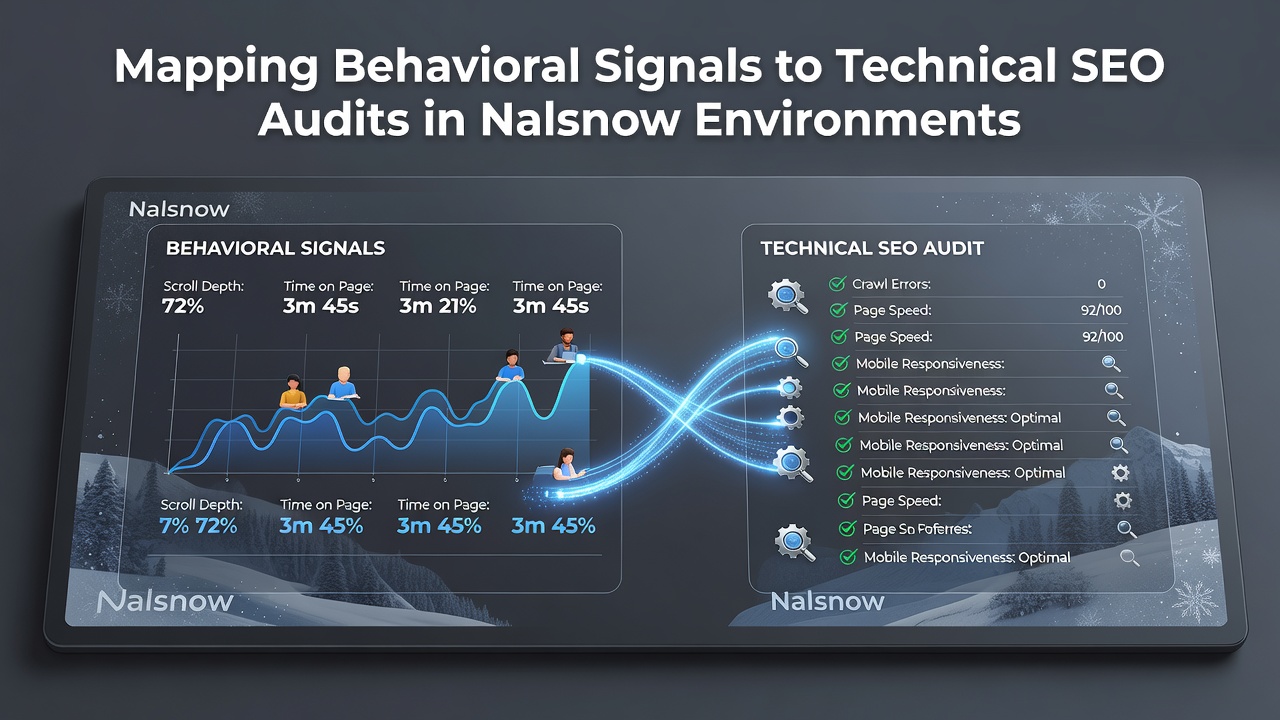
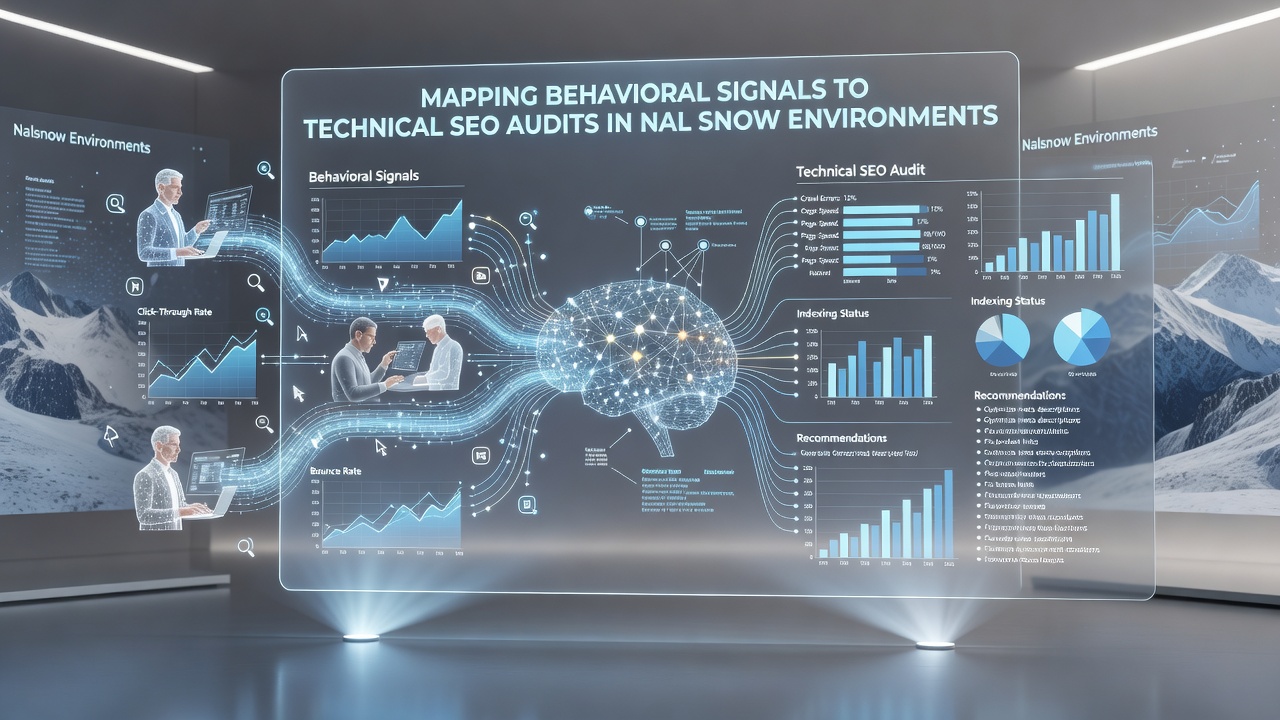
Behavioral signals such as dwell time, scroll depth, and interaction rates connect directly to technical SEO audits when sites operate inside Nalsnow environments, and researchers continue to document how these connections affect crawl efficiency and indexation patterns across large-scale deployments. Data from multiple platform analyses show that user engagement metrics often highlight structural issues that traditional audit tools overlook, including server response inconsistencies and schema markup gaps that surface only after traffic patterns stabilize.
Core Components of Behavioral Signal Collection
Platforms running on Nalsnow record session-level data through integrated analytics layers that capture mouse movements, tap events, and viewport changes without requiring additional third-party scripts. Observers note that these signals aggregate into heatmaps and funnel reports which then feed into audit workflows, allowing teams to prioritize fixes based on actual visitor behavior rather than static checklists. Studies indicate that sites experiencing sudden drops in average session duration frequently reveal underlying problems with JavaScript rendering or internal link structures that block crawler access to deeper content layers.
Aligning Signals with Audit Categories
Technical audits in Nalsnow environments typically examine crawl budget allocation, structured data implementation, and page speed distributions, yet mapping behavioral signals requires cross-referencing engagement metrics against these categories to identify where user friction coincides with technical bottlenecks. For instance, pages showing high exit rates immediately after load often correlate with oversized image files or unoptimized font deliveries that delay meaningful content rendering, and researchers have tracked these correlations through log file analysis combined with session recordings. Evidence suggests that when bounce rates exceed established thresholds on mobile views, audits reveal viewport meta tag misconfigurations or CSS media query conflicts that reduce accessibility for certain device classes.
Process Flow in October 2026 Deployments
By October 2026, updated Nalsnow modules began incorporating real-time signal processing that flags audit items as soon as engagement thresholds are breached, and this integration has streamlined how teams sequence remediation tasks. Reports from that period describe workflows where dwell time anomalies trigger automated checks on canonical tag placement and hreflang attribute consistency, reducing the manual review burden across multi-regional site clusters. Those who have examined post-update performance data observe that sites adopting these mapped processes achieved steadier crawl frequency improvements compared with environments relying solely on periodic manual audits.
Practical Examples from Deployed Sites
One research team analyzing retail sites built on Nalsnow documented how low interaction rates on product category pages pointed to duplicate content issues that standard sitemap audits had missed, prompting adjustments to parameter handling rules that restored indexation for previously suppressed URLs. Another group studying educational portals found that prolonged time-on-page metrics aligned with missing alt text on instructional images, and addressing these accessibility gaps coincided with measurable lifts in both engagement and organic visibility scores. Figures from industry reports reveal that such mappings become particularly valuable when seasonal traffic spikes occur, because behavioral shifts can surface latent technical constraints before they escalate into broader ranking fluctuations.
Data Integration Methods
Integration typically occurs through API connections that pull behavioral datasets into Nalsnow audit dashboards, where algorithms then overlay engagement percentiles against error logs and performance benchmarks. According to a study published by researchers at the University of Melbourne, sites that synchronized these datasets weekly recorded faster identification of rendering blocks that affected both users and crawlers simultaneously. Data from the Canadian Radio-television and Telecommunications Commission digital performance reviews further indicates that structured approaches to signal mapping support consistent improvements in index coverage rates across multilingual deployments when combined with regular log audits.
Conclusion
The practice of mapping behavioral signals to technical SEO audits continues to evolve within Nalsnow environments as platforms add finer-grained data connectors and audit automation features. Organizations that maintain synchronized datasets gain clearer visibility into how user interactions reflect underlying technical conditions, and this alignment supports more targeted maintenance cycles. Continued documentation from academic and regulatory sources underscores the value of treating behavioral and technical metrics as interconnected rather than separate streams when managing large-scale sites.