Noah Schmitz · 13 September 2026
Dissecting How Competitor Backlink Profiles Shape Strategic Content Planning
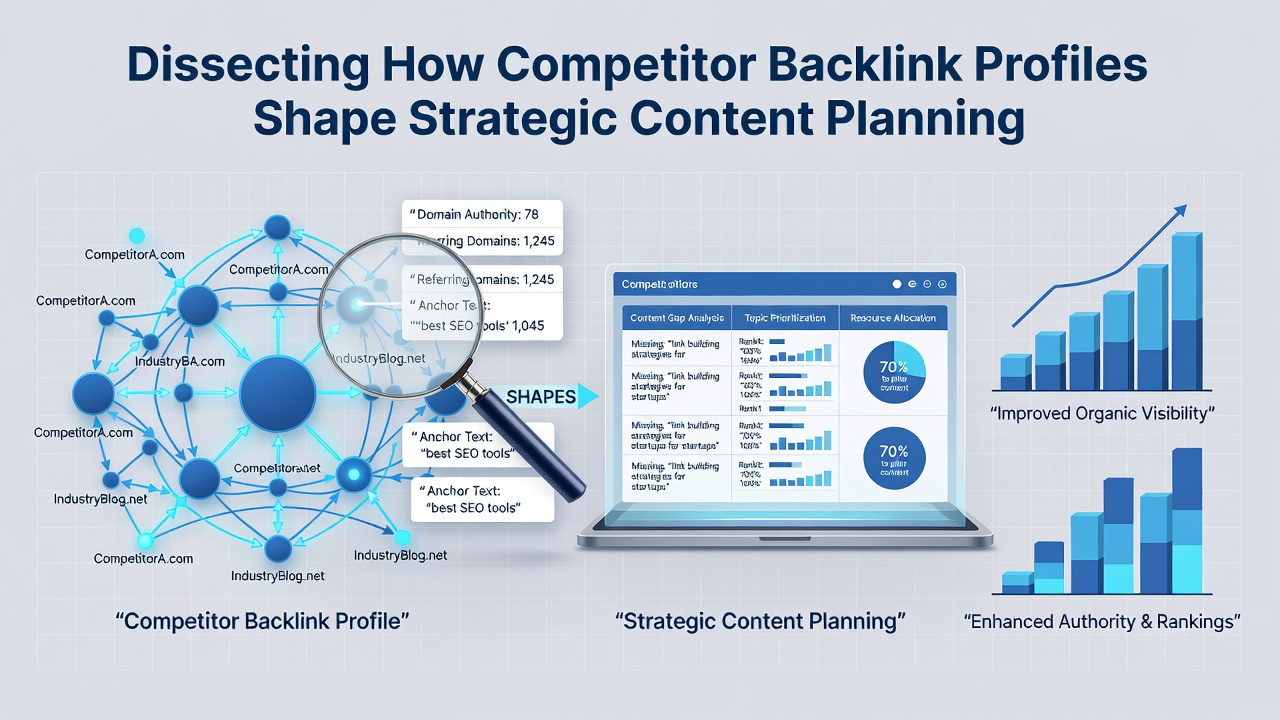
Competitor backlink profiles provide measurable data that directly informs how teams structure their content calendars, and analysts track these patterns through tools that map domain authority, referring domains, and anchor text distributions across entire industries. Research indicates that pages ranking in the top positions often share similar link acquisition timelines with those of direct competitors, so planners examine historical backlink growth rates to time new publications and updates accordingly. Data from multiple SEO platforms shows that content topics backed by high-quality referring domains from .edu and .gov sources tend to sustain visibility longer than those relying solely on commercial links.
Mapping Link Sources to Content Themes
Experts break down competitor backlink profiles by categorizing referring domains into topical clusters, and this process reveals which subject areas attract the strongest external endorsements. Observers note that when a rival site secures repeated links from industry-specific directories and forums, planners respond by developing in-depth guides or case studies that address the same subtopics with fresh data or original research. Studies found that anchor text patterns often signal content priorities, since exact-match phrases in backlinks frequently correspond to high-performing pages on those exact themes.
Teams review the age and velocity of acquired links to identify seasonal opportunities, and September 2026 data sets from several analytics providers illustrate how certain competitors ramp up link-building campaigns ahead of annual industry reports or regulatory updates. Those patterns help content strategists schedule evergreen assets that can capture links during similar windows in future cycles.
Identifying Gaps Through Profile Comparison
Analysts compare the total referring domains and domain authority scores between a target site and its top competitors, then cross-reference those figures against published content to spot under-linked topics. Research shows that gaps appear when competitors hold strong backlink profiles for certain keywords yet publish fewer supporting articles than the volume of links might suggest, and planners use this information to prioritize new pieces that can attract similar endorsements. Figures from academic reviews of web visibility confirm that sites filling these gaps frequently experience accelerated link growth within six to twelve months.
One study revealed that content planners who systematically audit competitor link sources adjust their outreach lists to mirror successful referring domains while adding unique angles that differentiate the material. This approach allows teams to target the same publishers that previously linked to rivals, yet the new content incorporates updated statistics or regional case examples that increase the chance of additional citations.
Aligning Content Formats with Link Acquisition Trends
Backlink profiles also indicate which formats attract the most external mentions, and researchers discovered that competitors with heavy link concentrations on listicles or interactive tools often maintain steady referral traffic from those assets. Strategic planners therefore allocate resources toward comparable formats when the data shows repeated success across multiple rival domains. Evidence suggests that long-form research reports earn links from academic and governmental sources more readily than short blog posts, so calendars incorporate quarterly in-depth publications timed to coincide with policy announcements or market reports.
Geographic distribution of links further shapes planning, since profiles heavy with links from European sources may prompt teams to develop localized content that appeals to those audiences. A report issued by the European Commission on digital market dynamics provides context for such decisions, and similar insights appear in studies from Canadian research institutions that track cross-border link patterns in North American sectors.
Conclusion
Competitor backlink analysis supplies concrete signals that guide topic selection, publication timing, and format choices throughout the content planning process. Teams that integrate these signals into their workflows produce material aligned with proven link acquisition channels while maintaining room for original contributions that expand the same networks. The ongoing collection of profile data continues to refine how organizations allocate resources across their editorial calendars.